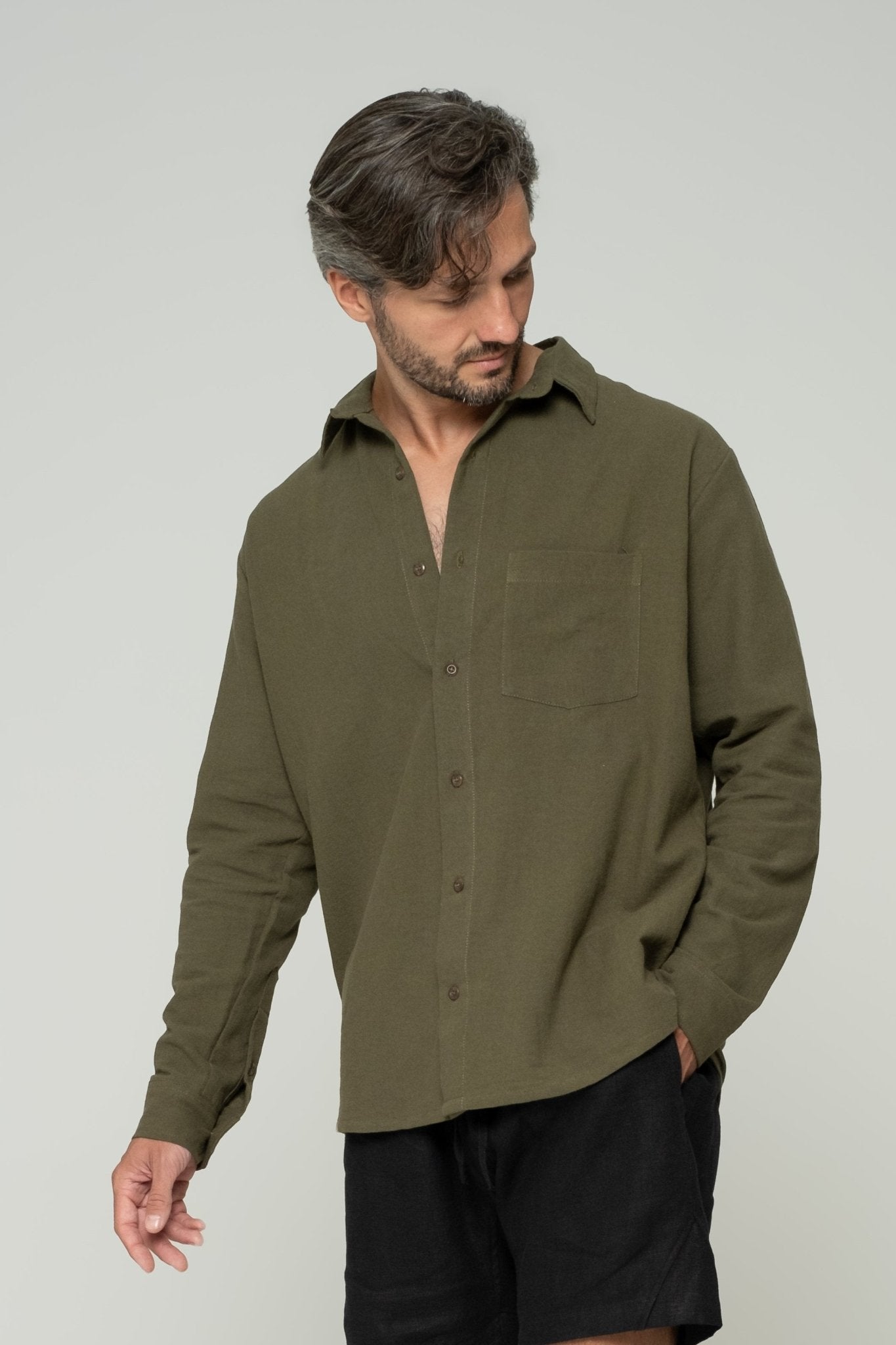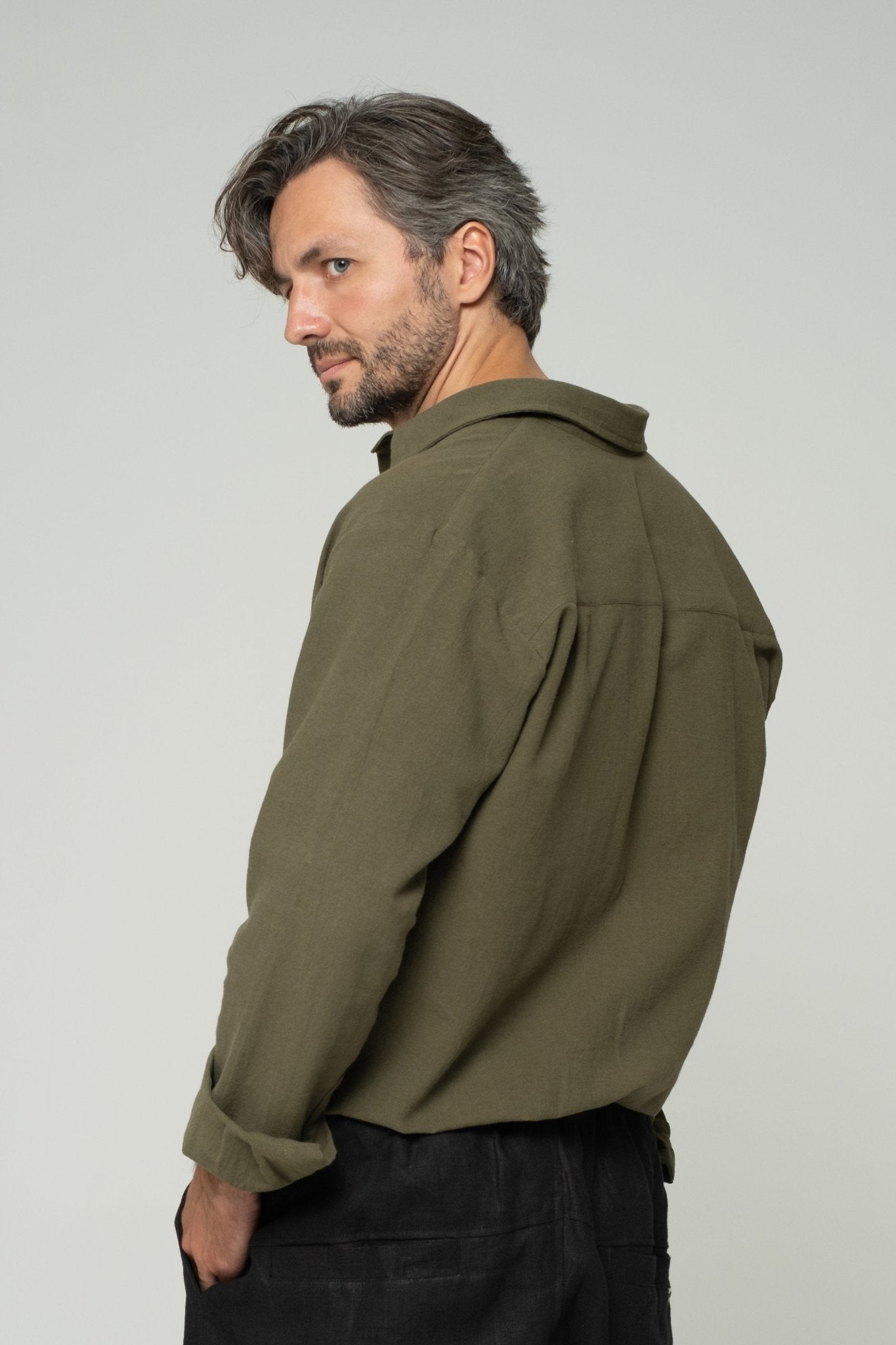

Why ASASI Chose Bali: Craftsmanship Behind Every Stitch
Plenty of brands say a piece is "made in Bali" as a footnote. At ASASI, it's closer to the whole reason the brand exists in its current form.
Design in London, Making in Bali
ASASI's designs start in London, where the label's founding team works through cut, silhouette and fabric before anything is produced. Production then moves to Bali, working with local ateliers rather than large-scale factories, which is a slower and more expensive way to build a collection, but the only one that keeps quality consistent piece to piece.
Why Bali, Specifically
Bali's garment-making tradition runs deep, built over decades of small workshops producing for both local wear and export. That base of skilled labour, combined with the island's own relationship to linen and cotton as climate-appropriate fabrics, made it a natural fit for a brand built entirely around dressing for heat and humidity.
What Small-Batch Production Actually Means
Working with ateliers rather than mass manufacturers means ASASI produces in smaller runs, which is part of why certain colourways sell through and don't come back. It also means more hands-on quality control: stitching, finishing and fabric checks happen at a scale where problems get caught before a piece reaches a store, not after.
The Cost of Doing It This Way
Small-batch, artisan-made clothing costs more to produce than mass-market alternatives, and that shows up in the price. It's a deliberate trade-off: fewer pieces, made properly, over a larger volume made faster and cheaper.
Seeing It in Person
The clearest way to understand the difference is to handle a piece directly, which is part of why ASASI still prioritises physical stores over an online-only model. Visit any of the brand's four Bali locations to see the construction up close, or shop the full range at studioasasi.com.
The Practical Reality of Working With Ateliers
Working with smaller Balinese ateliers rather than large-scale factories changes more than the romance of the story. Production runs are smaller, which means less flexibility to chase every trend but considerably more consistency in construction quality. Fewer hands touch each piece from cut to finish, which is part of why ASASI's stitching and seam quality holds up to the kind of repeated washing that heat and humidity demand.
What Gets Checked at Each Stage
Quality control on a small-batch production line happens at almost every step rather than as a single inspection at the end: fabric is checked for consistency before cutting, seams are checked during construction rather than only after, and finished pieces are checked again before they ever reach a store. That layered approach catches problems — an uneven seam, a slightly off colour dye lot — before they become a customer's problem rather than after.
The Relationship Between Design and Production
Designing in London and producing in Bali means there's a genuine back-and-forth between the two rather than a design being handed over and simply replicated. Fabric availability, seasonal dye lots and the practical realities of what a small atelier can produce well all feed back into how a piece is finalised before it goes into production, which is different from a design being finished in isolation and then outsourced.
Sustainability as a Byproduct of Small-Batch Production
Producing in smaller runs naturally limits overproduction and unsold stock in a way that mass manufacturing structurally can't, since ASASI isn't producing tens of thousands of units of anything on the assumption they'll eventually sell. Combined with the choice of linen, organic cotton and hemp as core materials, the production model and the fabric choices reinforce each other rather than existing as separate initiatives.
Visiting to See the Difference
None of this is easy to communicate through a product photo, which is part of why ASASI has kept a physical retail presence across four Bali locations rather than moving to an online-only model. Handling a seam, feeling the weight of a fabric, seeing how a cut actually falls — these are still easier to judge in person than through a screen.
Stay understated.