
How to Care for Your Linen and Cotton-Linen Clothing
Linen and cotton-linen blends are chosen for exactly one reason at ASASI: they perform in heat and humidity better than almost anything else. Cared for properly, they also improve with age rather than degrading. Here's how to keep them that way.
Washing
Machine wash cold, on a gentle cycle, and separate darks from lights for the first few washes — natural dyes on linen can run slightly early on. Skip the fabric softener. Linen doesn't need it, and softener coats the fibres in a way that works against the fabric's natural texture over time.
Drying
Air dry wherever possible. Linen and cotton-linen blends dry fast in Bali's climate anyway, and high heat from a tumble dryer is the single biggest cause of premature wear. If you do use a dryer, a low, short cycle is enough to finish the job.
The Wrinkle Question
Linen wrinkles. That's not a flaw, it's the fabric doing what it's meant to do — the same weave that makes it breathable also makes it fall in creases rather than sit stiff. A few creases through the day is normal wear, not something to iron out of every shirt. For a cleaner finish in the evening, iron on a warm setting while the fabric is still slightly damp.
Storage
Hang shirts rather than folding them where you can, and give linen pieces a little room in the wardrobe to breathe. Folded linen creases hard along the fold line in a way that's genuinely difficult to remove.
What Gets Better With Time
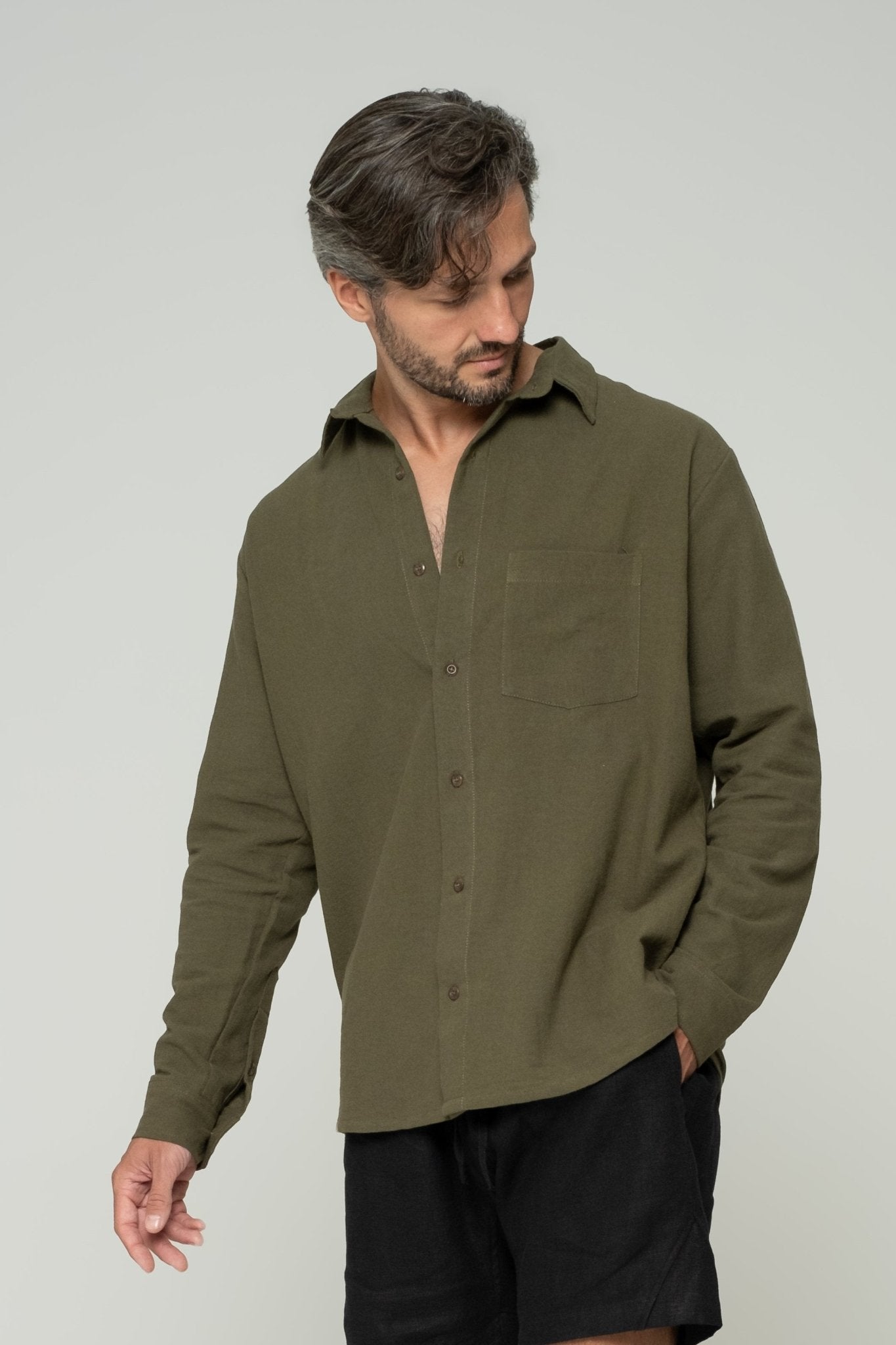
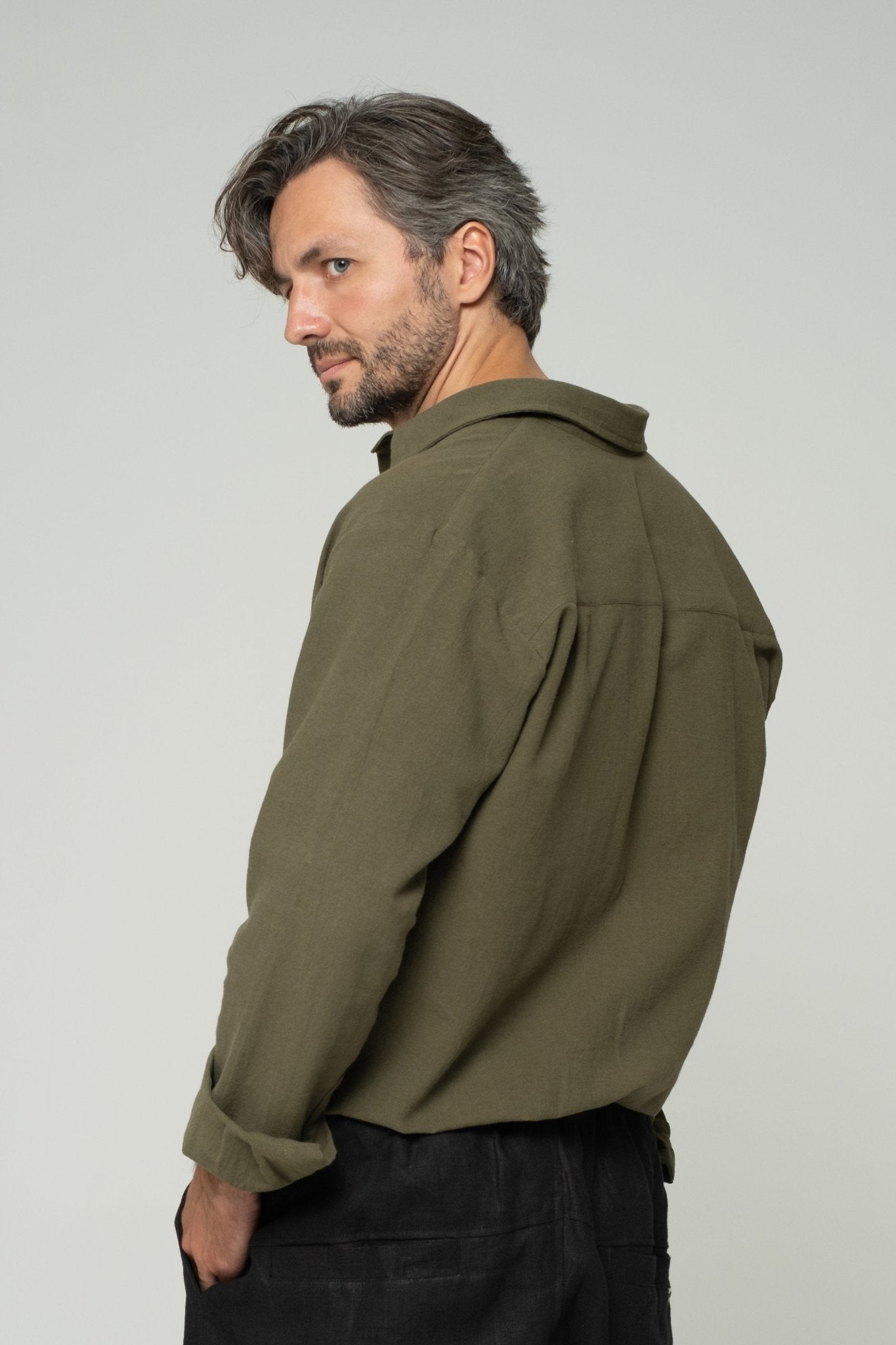
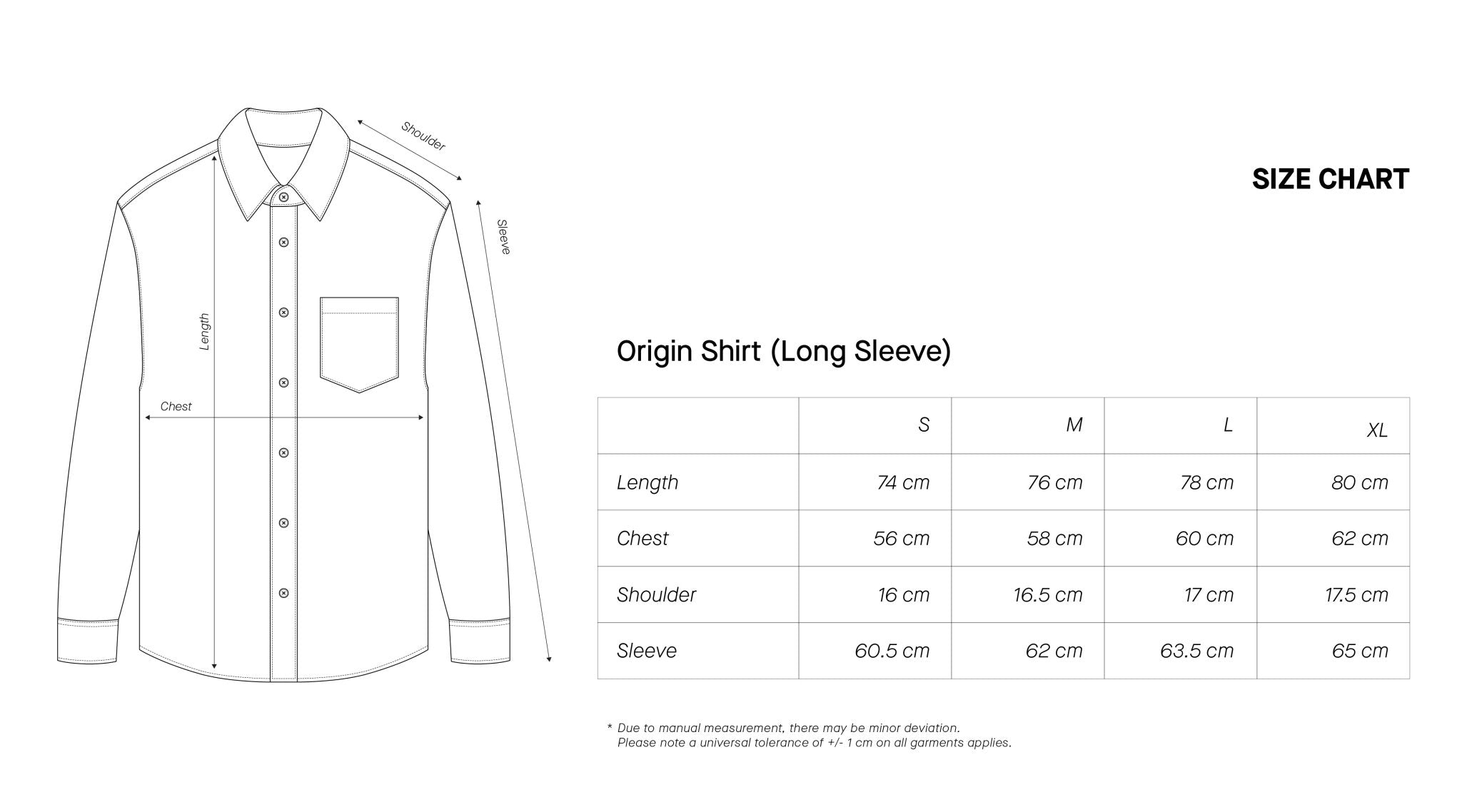
The softening most people notice in an Origin shirt after a few months of wear isn't the fabric wearing out. It's the linen fibres relaxing with washing and use, which is exactly why ASASI builds pieces from cotton-linen blends rather than synthetic alternatives. Look after them properly and they only get better.
Why Linen Behaves Differently to Cotton
Linen fibre comes from the flax plant's stem rather than a seed pod like cotton, which gives it a stiffer, more irregular structure at the microscopic level. That's the source of both linen's strengths and its quirks: the irregular fibre creates natural air pockets that make it breathe better than almost any other natural fabric, but it also means linen doesn't spring back into shape the way cotton does, which is why it wrinkles the way it does and why washing it too aggressively shortens its life faster than it would with a cotton blend.
Stain Treatment, Specifically
Treat stains on linen and cotton-linen blends as soon as possible rather than letting them sit through a full wash cycle first. Cold water and a gentle rub with a small amount of the detergent you're already using is usually enough for food or drink marks; avoid rubbing vigorously, which can work a stain deeper into the fibre rather than lifting it out. For anything oil-based, a small amount of dish soap worked in before washing does more than most dedicated stain removers.
Ironing Without Overdoing It
If you do want a crisper finish for the evening, iron cotton-linen pieces while they're still slightly damp, either straight out of the wash or lightly misted with water first. A warm, not hot, setting is enough; linen scorches more easily than pure cotton at high heat. Iron the inside of darker pieces where possible to avoid any shine developing on the fabric's surface over repeated ironing.
Long-Term Storage
If you're leaving Bali for an extended period and storing pieces rather than wearing them, make sure everything is completely dry before folding into storage — any residual damp in a humid climate encourages mildew fast. Breathable cotton storage bags work better than sealed plastic for exactly this reason. For shirts you'll be wearing again within weeks, hanging remains better than folding regardless of how long the gap is.
When to Actually Replace a Piece
Linen thinning slightly with age is normal and often improves the drape. What isn't normal, and is worth retiring a piece for, is fraying along seams or a fabric that's gone from soft to genuinely delicate and tearing under light strain. Properly cared for, an Origin shirt or a pair of ASASI linen pants should outlast several seasons of regular wear before reaching that point.
Stay understated.