
Bamboo-Cotton vs Cotton-Linen: Which Is Right for Bali?
Walk through an ASASI store and you'll notice the range splits fairly cleanly into two fabric families. Neither is better than the other. They're built for slightly different jobs.
Bamboo-Cotton: Soft, Fast-Drying, Close to the Body
The Vāyu t-shirt is ASASI's flagship bamboo-cotton piece, blended 70% bamboo to 30% organic cotton. Bamboo fibre is naturally smoother than cotton alone, which is why the Vāyu drapes rather than clings. It's also fast-drying and holds up well to daily washing, which matters in a climate where you're likely wearing and washing a t-shirt every day rather than every few days.
Cotton-Linen: Structured, Breathable, Built to Soften
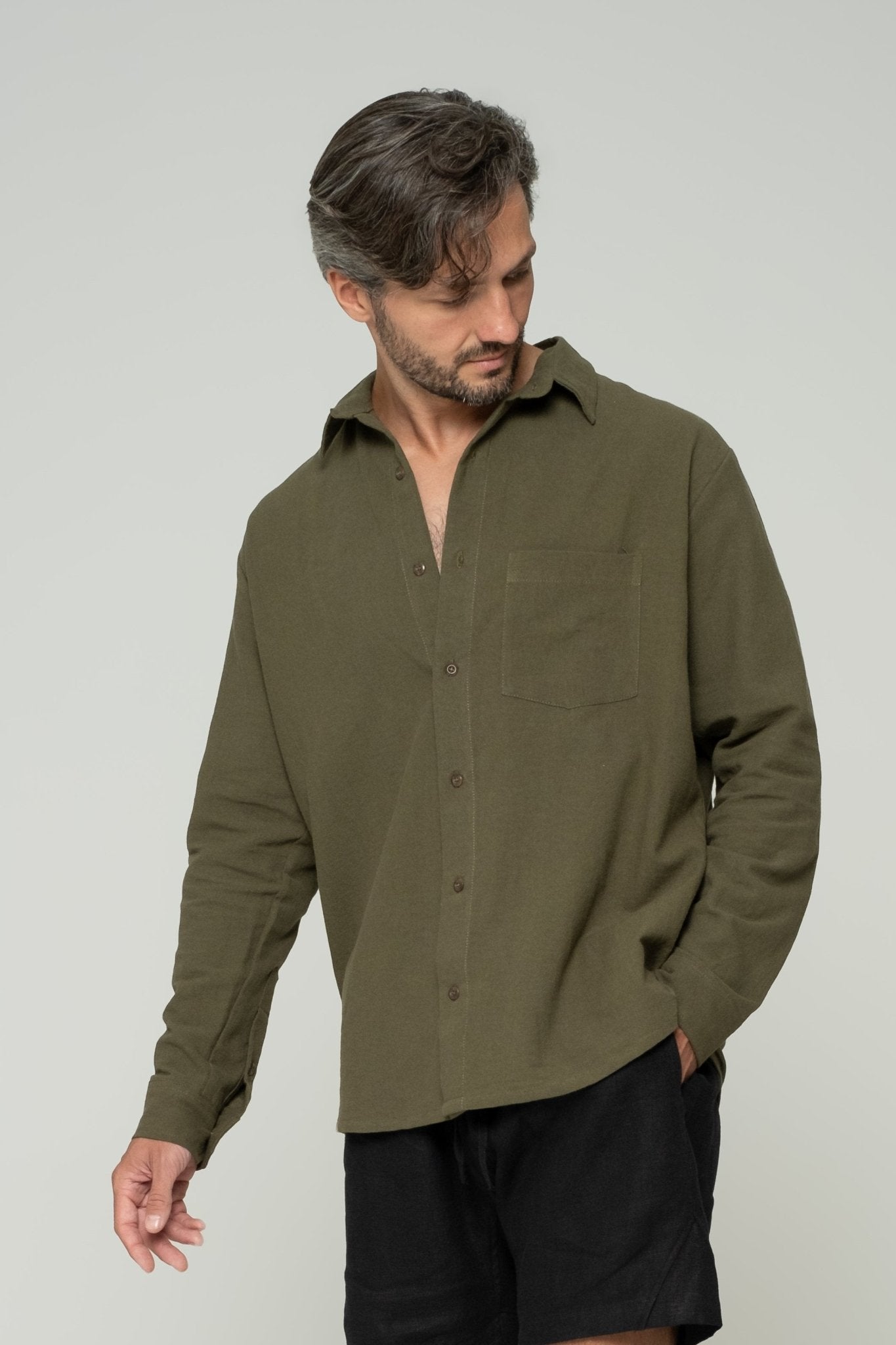
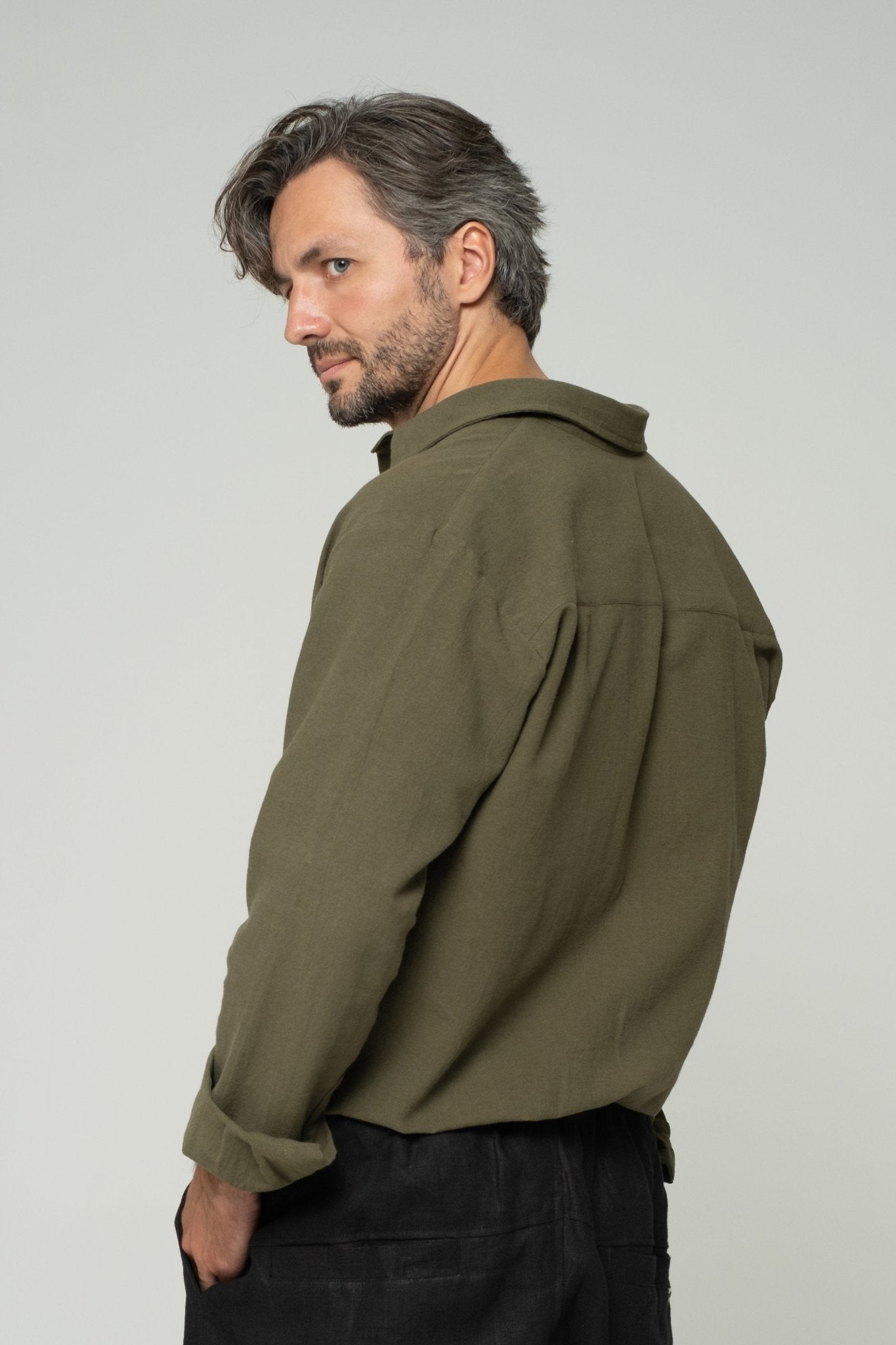
The Origin shirt line, Origin shorts and ASASI's linen pants are built from cotton-linen blends instead. Linen's natural fibre is more textured and less forgiving than bamboo-cotton at first, but it breathes better in genuinely humid heat and softens with every wash rather than wearing thin. It's also more visibly textured, which is part of why cotton-linen pieces read as slightly more considered, whether that's a long-sleeve shirt for dinner or a pair of shorts for the day.
Which One for Which Day
Reach for bamboo-cotton — the Vāyu or Kavash — for anything close to daily rotation: gym, errands, a beach day where you're changing in and out of clothes more than once. Reach for cotton-linen — the Origin line, linen pants and shorts — for anything with slightly more occasion to it, or simply when you want the visible texture and drape linen gives that cotton alone can't.
Neither Fabric Is a Compromise
Both exist at ASASI for the same reason: performance in Bali's climate first, aesthetics second. The difference is which part of the day they're built for, not which one is the "better" fabric.
Shop both fabric families at any of ASASI's four Bali stores or at studioasasi.com.
The Science Behind Each Fabric's Feel
Bamboo fibre is processed into a viscose-like yarn that's naturally rounder and smoother under a microscope than cotton fibre, which is why bamboo-cotton blends like the Vāyu feel almost silky against the skin straight out of the wash. Linen fibre, by contrast, is longer and more irregular, which creates the slightly textured hand-feel and the visible slub in the weave that gives cotton-linen pieces their characteristic look. Neither is manufactured to feel a certain way; the feel is a direct result of the fibre's natural structure.
Moisture Handling in Practice
Both fabrics manage moisture well compared to synthetic alternatives, but they do it differently. Bamboo-cotton wicks moisture away from the skin quickly, which is why the Vāyu feels immediately cooler on contact even in high humidity. Linen absorbs and releases moisture more slowly but breathes better over a longer period, which is why a cotton-linen Origin shirt feels comfortable through a full day rather than needing to be changed after a couple of hours the way a fully synthetic shirt would.
Durability Over Repeated Wear
Bamboo-cotton blends hold their shape well through frequent washing, which suits pieces worn and washed on a near-daily rotation like a t-shirt. Cotton-linen actually improves with repeated washing up to a point, softening and relaxing rather than losing structure, which is part of why an older Origin shirt often becomes a favourite over a newer one. Where bamboo-cotton is built to stay consistent, cotton-linen is built to evolve.
Making the Choice for Your Own Wardrobe
If most of your Bali days involve activity — moving between the beach, errands, changing outfits more than once — lean toward bamboo-cotton pieces for the practical wins in drying time and moisture handling. If your days run slower, with more sitting at a café or a longer dinner, cotton-linen's texture and drape earn their keep. Most ASASI wardrobes end up with both, simply because most days in Bali aren't purely one pace or the other.
Stay understated.